Equine-Assisted Therapy in Boulder

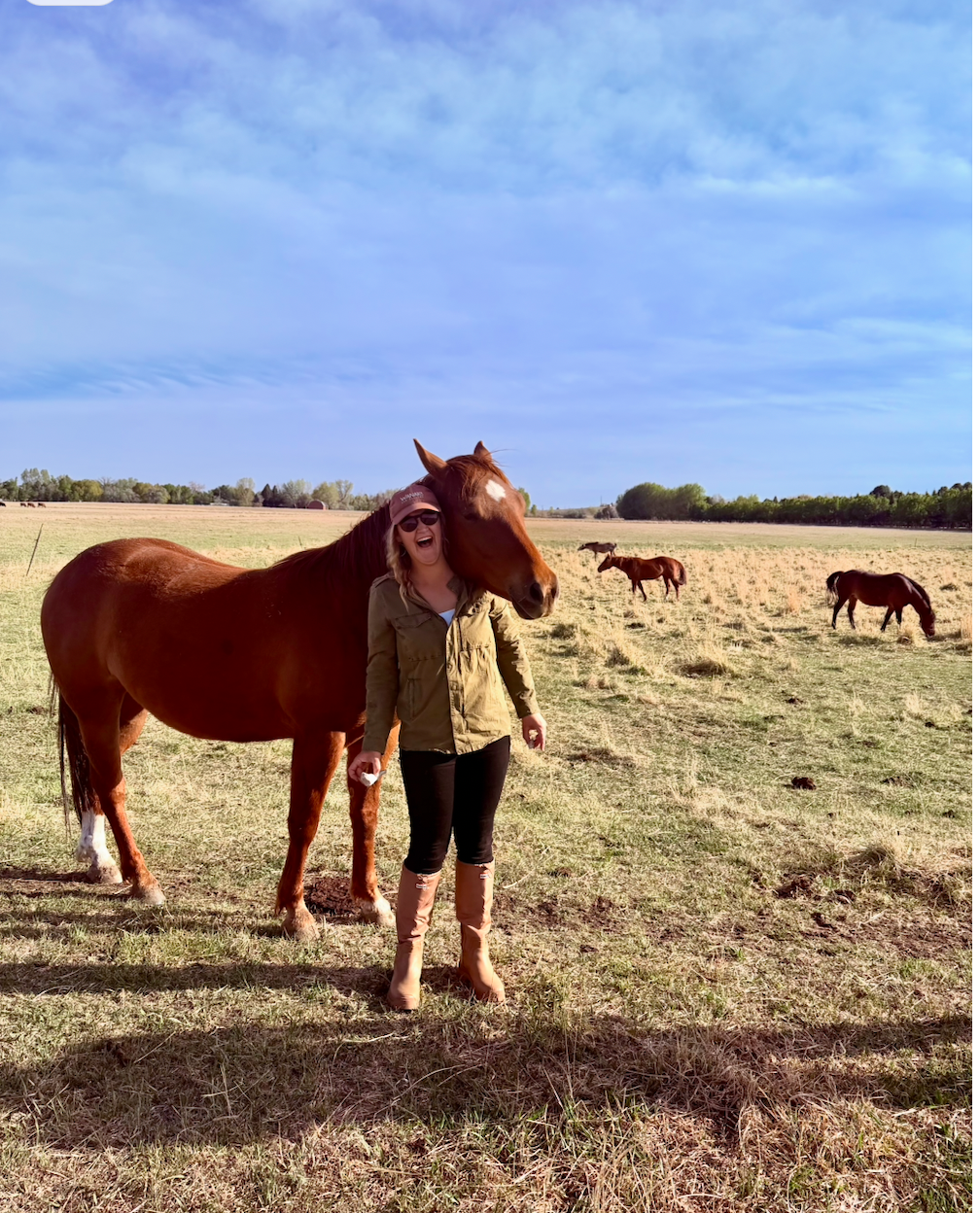
Equine-assisted therapy involves interacting with horses outdoors to improve mental and emotional health. This unique approach uses the intuitive nature of horses to provide a non-judgmental space, helping individuals develop self-awareness and tackle personal challenges without needing prior experience with horses.

  • Title or Question

    Describe the item or answer the question so that site visitors who are interested get more information. You can emphasize this text with bullets, italics or bold, and add links.
  • Title or Question

    Describe the item or answer the question so that site visitors who are interested get more information. You can emphasize this text with bullets, italics or bold, and add links.
  • Title or Question

    Describe the item or answer the question so that site visitors who are interested get more information. You can emphasize this text with bullets, italics or bold, and add links.
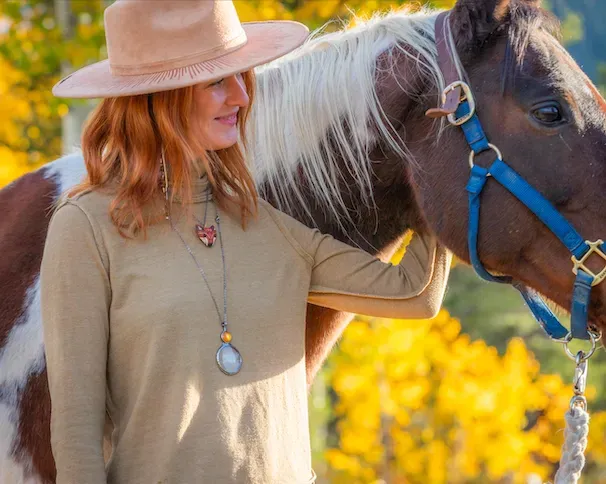
A person wearing a tan hat and shirt pets a brown and white horse in front of golden autumn trees.
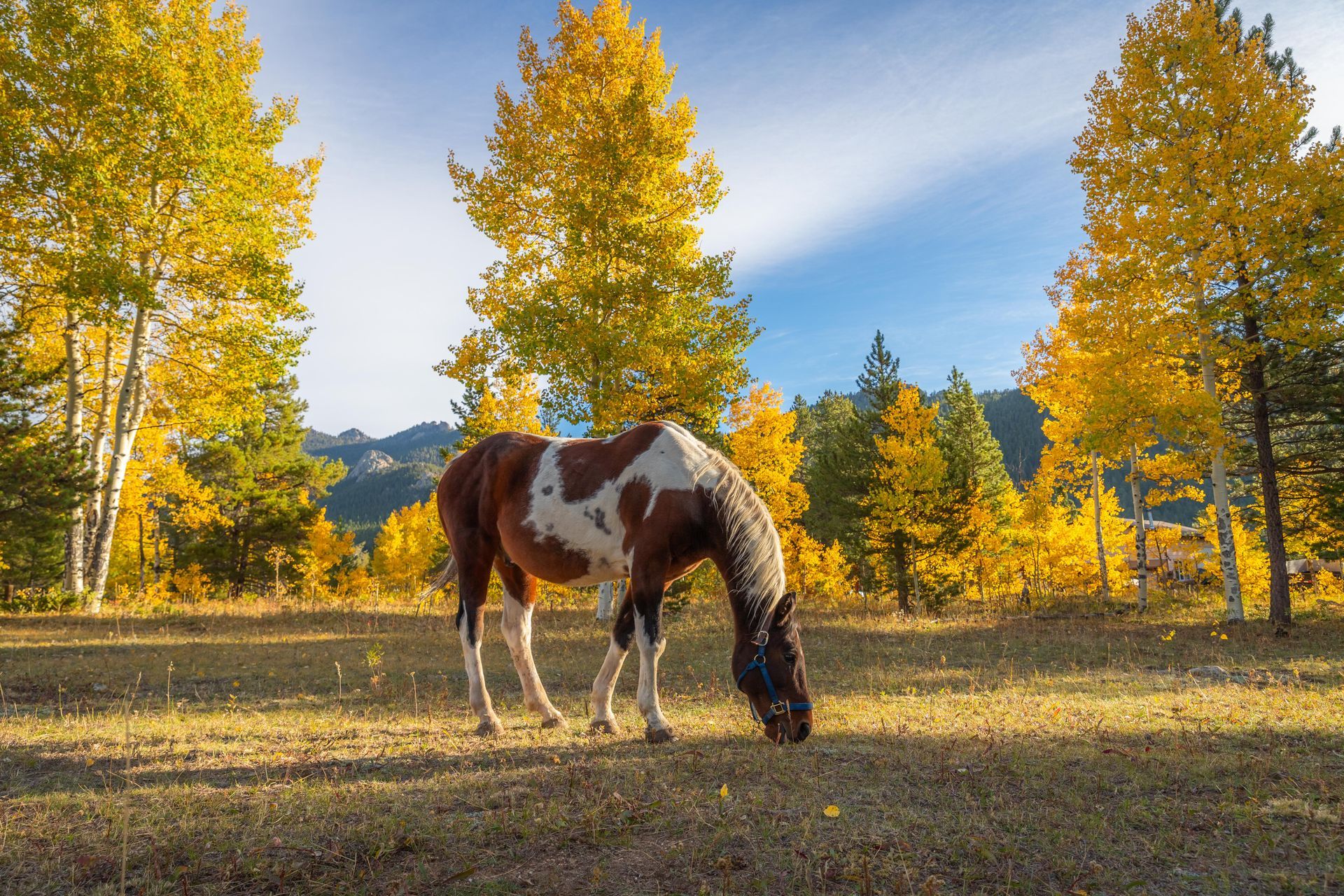
A pinto horse grazes in a meadow surrounded by trees with vibrant yellow autumn foliage under a clear blue sky.

LEXIE GLISSON therapy & wellness lcsw

Equine-Assisted Therapy in Boulder & Golden

Equine-assisted therapy involves interacting with horses outdoors to improve mental and emotional health. This unique approach uses the intuitive nature of horses to provide a non-judgmental space, helping individuals develop self-awareness and tackle personal challenges without needing prior experience with horses.

I help individuals in the Boulder and Golden areas rediscover their authentic selves through mindfulness, movement, and interactions with animals and nature. I offer Equus coaching and both individual and group therapy sessions, available online or in-person at various Front Range locations in Colorado. Whether you choose virtual sessions or in-person experiences, I am here to guide your journey toward personal empowerment and healing.

ABOUT me

Lexie Glisson, LCSW

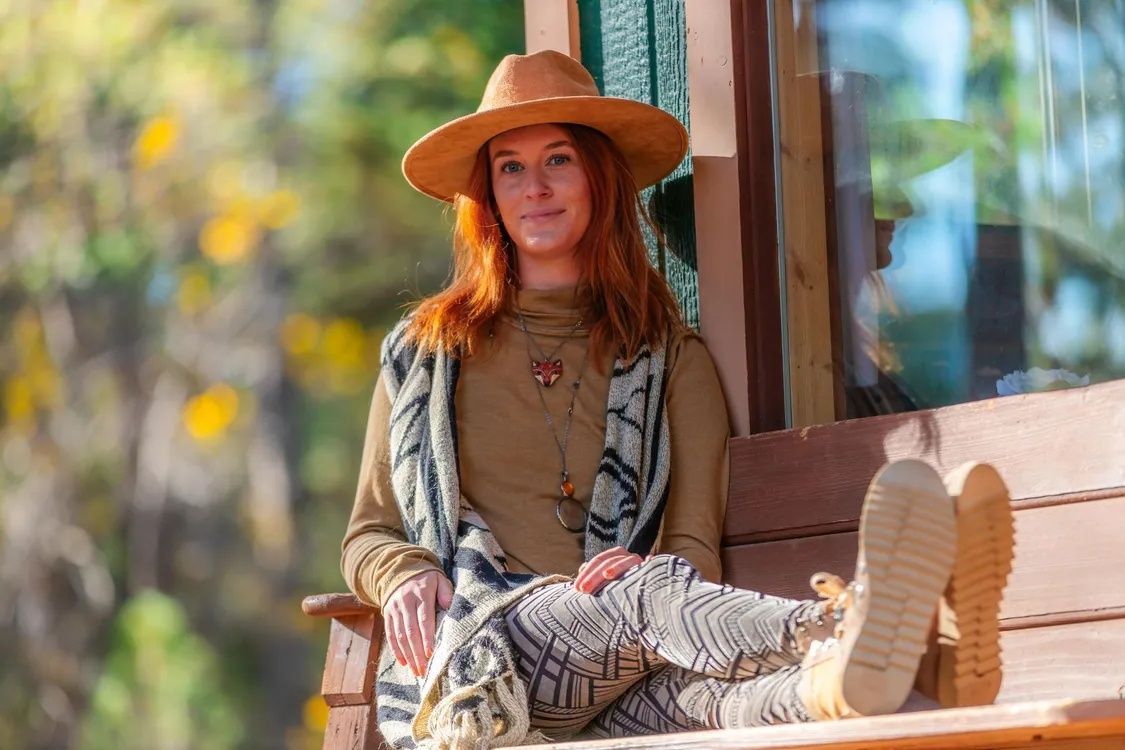
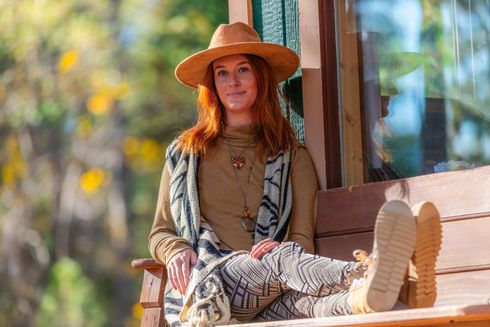
A person with reddish hair wearing a hat and patterned clothes sits on a wooden bench outdoors in a sunlit area.

Therapeutic Services in Boulder & Golden, Colorado

Discover a range of nature-based therapeutic modalities, each designed to aid in healing and personal growth. These approaches harness the restorative powers of the natural world to support your well-being and help you reconnect with your inner strength.

Equine-Assisted Therapy

An experiential form of therapy that involves interacting with horses to foster emotional growth and facilitate healing processes. This approach leverages the natural therapeutic presence of horses to help individuals work through emotional challenges.

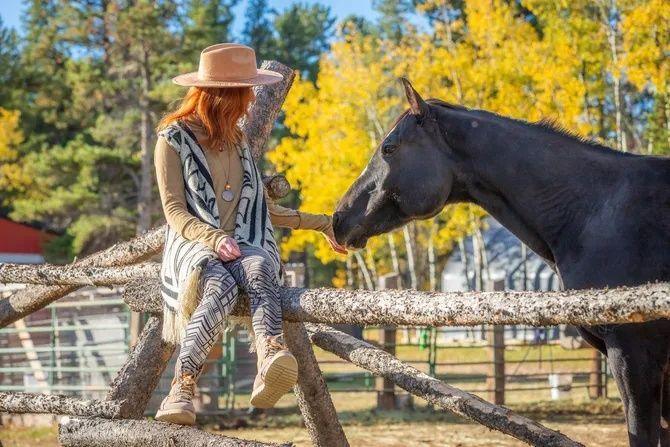
A person in a hat and patterned vest sits on a rustic wooden fence, offering a treat to a black horse in a sunny forest.

Nature-Based Therapy

This therapeutic approach utilizes the natural environment to promote healing and wellness, enabling individuals to reconnect with their evolutionary roots and actively engage with the natural world, which is vital for maintaining both mental and physical health.

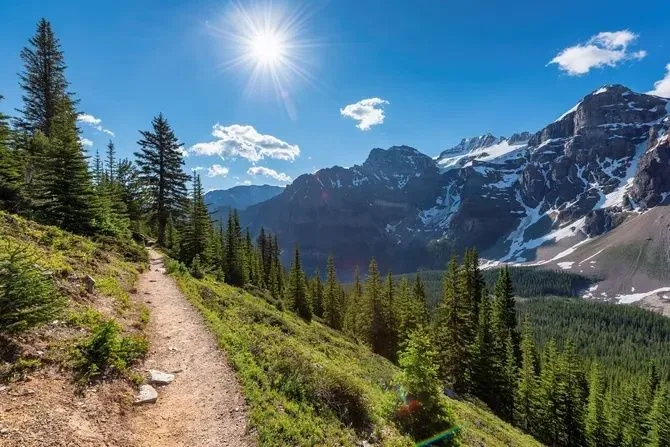
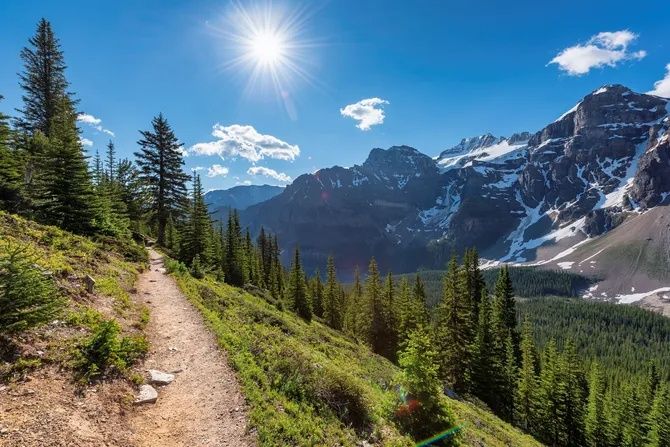
A dirt hiking trail winds along a forested mountain slope under a bright, sunny sky with distant snow-capped peaks.

EMDR

Eye Movement Desensitization and Reprocessing (EMDR) is a proven therapy method aimed at helping individuals recover from trauma and distressing life events.

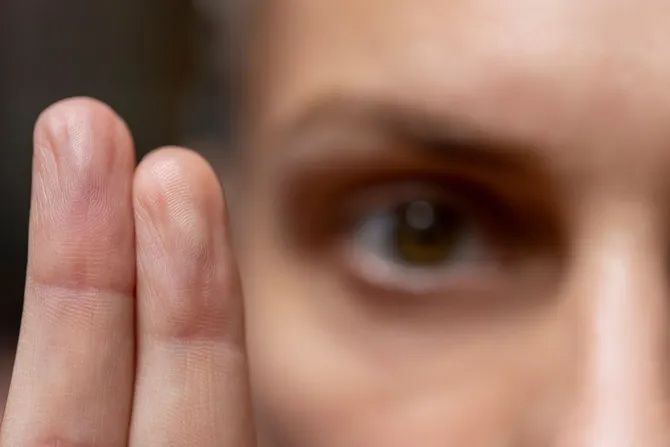
A close-up of two fingers held upright in front of a slightly blurred human eye.

Curious if working together could be a good fit?

Additional Modalities Offered

A person with reddish hair wearing a hat and patterned clothes sits on a wooden bench outdoors in a sunlit area.

Relational Therapy

Enhances interpersonal relationships by exploring and addressing patterns in how individuals interact with others.

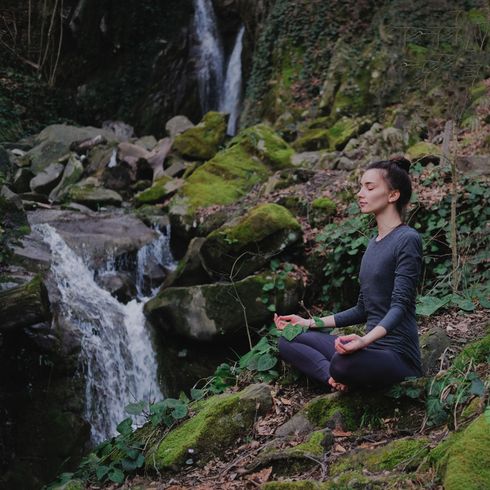
A person meditates in a cross-legged pose on mossy rocks beside a flowing forest waterfall.

Mind-Body Therapy

Combines tailored yoga practices and mindfulness to improve physical and mental health.

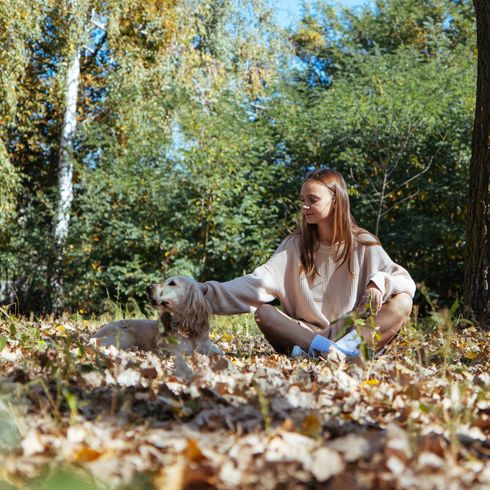
Animal-Assisted Therapy

Integrates interactions with animals to enhance emotional and physical healing in therapeutic settings.

A person in a beige sweater sitting in a sunlit, leaf-covered forest, gently petting a light-colored dog.

Other Modalities

Additional therapeutic techniques that support diverse healing and personal growth needs.

A person wearing a sparkly dress and crown lifts a teddy bear wearing a pink tutu in a sunny, golden-lit field.

Send me a message if you're interested in hearing more about my coaching offerings and events!

Did you know I'm also a certified Equus coach and run groups & weekend intensives?

Explore Your Social Role:

Take Our Online Quiz

Discover Your Role in the Herd

Discover your unique role in group dynamics with our quick "What Herd Member Are You?" quiz. Are you the Leader, the Nurturer, or another vital member? Uncover your social strengths and learn how to use them in daily interactions. It's free, fun, enlightening, and takes just a few minutes.

Blog

By Lexie Glisson April 5, 2026
Have you ever found yourself wanting to reach out to a friend, ask a colleague for a favor, or even just say hello to a stranger, only to stop yourself mid-thought? The internal dialogue usually sounds like this: “I don’t want to be a burden,” or “They look busy, I’ll just stay out of their way.” On the surface, this feels like kindness. It feels like being “nice.” But in my work as an equine-partnered therapist on Lookout Mountain, I see this dynamic play out in the pasture every week. Through the lens of the herd, we often discover a deeper truth: “I don’t want to bother them” is frequently a sophisticated protective strategy designed to avoid the pain of rejection. Understanding Attachment Styles: Why We Avoid Connection Our early experiences with caregivers create a "blueprint" for how we seek connection. When we feel the urge to "stay out of the way," we are often operating from a specific attachment wound. Relational Anxiety and the Fear of Being a Burden If you grew up with Anxious or Relational Attachment , you may feel that you have to "earn" your space or perfectly time your approach to ensure you aren't pushed away. Disorganized Attachment and the Risk of Vulnerability For those with Avoidant or Disorganized Attachment , the nervous system might preemptively decide that connection isn't available. You might stop yourself from asking to avoid the "catastrophe" of a 'no.' By staying invisible, you feel safe from the sting of being unwanted. Equine-Assisted Therapy: A Mirror for Social Anxiety In a session, a client might look at a horse grazing peacefully and say, “I really want to go over there, but I don’t want to interrupt her. I don’t want to negatively impact her peace.” In equine therapy, we use this moment to look at Projections . Are you actually respecting the horse, or are you projecting your own fear of being "too much" onto the animal? The Difference Between Politeness and Self-Abandonment The big reframe in my work is this: Approaching isn't harmful. Asking is not an inconvenience. Horses are autonomous beings with clear boundaries. If a horse doesn’t want to engage, they will simply walk away. In the pasture, we learn that a horse’s "no" isn't a punishment, it’s just information. This helps us separate our self-worth from someone else’s boundaries . How Equine Therapy Helps Heal Attachment Wounds Healing happens when we move from reacting (staying invisible) to responding (asking clearly while respecting boundaries). In session, we practice the art of asking without collapsing through Somatic Tracking and Dual Awareness in Session I might invite a client to voice their internal experience: “I’m noticing I want to connect with you… and I’m also afraid you’ll say no.” We then practice: The Soft Approach: Moving with presence rather than pressure. Sensing Consent Cues: Learning to read the horse's "Green, Yellow, and Red" lights. Regulating the Nervous System: If the horse moves away, we notice the tightening in the chest and breathe through it without diving into a story of shame. Overcoming People-Pleasing in Real Life This pattern of "not wanting to bother people" shows up long after you leave the farm. It is the root of many common struggles: Professional Stagnation: Not asking for the promotion because you don't want to "inconvenience" the boss. Relationship Friction: Not expressing a need because you've decided, "It's not a big deal, I'll let it go." Social Isolation: Deciding for others that they probably don't want to talk to you. Reprogramming the Nervous System with the Herd Reprogramming your nervous system means learning that you can ask... and you can survive the answer. You don’t have to override your sensitivity to connect. You simply learn how to include yourself in the equation. Visit the Herd. If you recognize this "don't bother them" protector in yourself, you aren't broken. You are protective.
By Lexie Glisson March 2, 2026
The Immediacy of Love: An Animas Quest into the More Than Human World I recently returned from two weeks in the Arizona wild that felt less like a trip and more like a tectonic shift of the self. It began with retaking the Equilateral (EMDR + Equine Assisted Therapy) training. This was a time of stripping back the layers to re-anchor into the wisdom of my body and the silent, honest presence of horses. But the grounding was only the preparation for the underworld descent of the Animas Valley Institute intensive: Deep Imagination. Somatic Healing and the Power of the Animal Body The transformation began the moment I closed my eyes on my first night in Arizona. I dreamt I was in the wild, surrounded by hundreds of cats. Their bodies were low, their eyes tracking me, stalking me like prey. I felt a familiar timidity, a fear that these wild beings could turn and attack at any moment. But then, the atmosphere shifted. The cats began rubbing against my legs, brushing past me, and purring with a deep, vibrating resonance. I felt caught between a cautious need to move slowly and a sudden, overwhelming realization: maybe they are just deeply relational. What followed was a sensation I feel I’ve been waiting my whole life for. It was a feeling of euphoria and a primal, erotic charge. It was a deep longing and desire finally being met. This dream became the blueprint for my time in the canyon. It taught me how to move through the world not as a spectator, but as an animal body, listening for the shimmering conversation between the hunter and the beloved. Transforming Fear into Relationship through Deep Imagination As I moved deeper into the canyon, the Wild Other changed its shape. I carried a second dream of being chased by a rattlesnake, paralyzed by the strike. With the help of a guide, I entered the somatic heart of that fear. I allowed my spine to elongate, stretching tall while my feet rooted into the earth. From this place of animal strength, I was able to turn and meet the snake’s gaze. In that eye-to-eye contact, the threat transformed into a relationship. I felt a deep, strange longing to be inhabited by this being, to allow the snake’s fluid, ancient power to become my own. Finding Flow and Softening in the More Than Human World Later, during a solo wander in the heat of the canyon, I found a deep bend in the river that moved in the exact, undulating shape of a serpent. I gave myself to it. I let the Snake River take me downstream, over and over. Each time, the challenge was the same: How soft can I get? I practiced softening every muscle, letting go of the ego’s need to control, allowing the current to devour my resistance. I wasn't just swimming. I was practicing the immediacy of love, a total, defenseless presence to the flow of life. The Practice of Reciprocity and Sacred Movement To honor these encounters, I entered into a silent ceremony. I offered the movement of my own body as an expression of deep respect and gratitude to the wild cat and the rattlesnake who had guided me. For four minutes of uninterrupted, silent movement, I let my body speak back to the canyon. In that dance, I wasn't just observing nature. I was offering myself to it. It was an act of reciprocity, a way to say, “I see you, I thank you, and I am here.” Moving from Ego to Intuition in the Wild The ego, however, is a persistent marcher. After the river, my thinking mind decided I needed to reach a specific, noble spot further up the canyon. I fought the current, ignoring my intuition three times as the walking grew harder. It took a prickly, thorned branch catching my skin to stop me dead in my tracks. When I finally surrendered and turned around, I saw the beauty I had been marching past: cottonwood fluff drifting like snow through the golden light. As I walked back downstream, the moment my mind drifted back to my noble goal, I tripped. I looked down and realized I was standing exactly where I had started, at the bend of the Snake River. And there, to my left, was the answer to my journey. I had asked the snake how I could stay connected to its power. There stood a tree with webbed roots , the exact image from my internal vision. Wholeness and the Immediacy of Love I am remerging from the canyon with a new understanding of wholeness. It is not a solo achievement or a destination we march toward. It is a collective recognition of the More Than Human world. We heal the long severance from our souls when we refuse to look away from the stalking cat, the striking snake, or the divine gift in another’s eye. When we stop trying to conquer the wild and instead allow ourselves to be devoured by its beauty, the gates of the kingdom swing wide.  Salvation is not a distant destination. It is the euphoria of the purr and the softening of the spine. It is the immediacy of love
By Lexie Glisson February 17, 2026
How to Meet a Horse: Somatic Awareness and Equine Communication Signs 
SHOW MORE